A guide to natural bedding
Coyuchi Bedding, Explained: Cotton Weaves, Texture, and Care
Cotton bedding is a study in small distinctions: the way yarns cross, the density of the cloth, the finish on its surface. Those details can make sheets feel cool and crisp, fluid and smooth, or softly rumpled. Understanding them is a useful first step when comparing Coyuchi bedding and other organic cotton linens—and when deciding which ones belong in your bedroom.
Published November 15, 2026
Cotton has a rare ability to be both familiar and endlessly variable. It is the white sheet pulled taut across a guest bed, the relaxed coverlet left casually folded at the foot, the pillowcase that softens with every wash. Yet “cotton” describes a fiber, not a single sensation. The yarn, weave, weight, finishing, and care all shape the fabric’s character.
That is why a bedding label can tell only part of the story. A smooth sateen and a crisp percale may both be made from cotton, but they meet the skin differently and bring a different mood to a room. A textured weave may look more relaxed, while a tightly constructed fabric can feel neat and cool. When exploring Coyuchi bedding, it helps to look beyond the broad appeal of organic cotton and consider how the individual cloth is made and how you want it to perform.
This guide offers a practical vocabulary for comparing cotton weaves, understanding texture, and caring for natural bedding. It is not a rulebook for choosing the “best” sheet. Comfort is personal, and the right set is the one whose feel, upkeep, and appearance make sense for your home.
Begin with the weave, not the thread-count headline
In woven fabric, warp yarns run lengthwise and weft yarns pass across them. The pattern in which those yarns interlace affects the surface, drape, and durability of the finished cloth. A simple, balanced weave can feel quite different from one that allows more yarn to float across the surface. Neither construction is universally superior; each creates a distinct set of qualities.
Thread count refers to the number of threads counted within a square inch of fabric, but it is not a complete measure of comfort or quality. Yarn thickness, fiber length, spinning, finishing, and weave all matter. A high number alone cannot promise a cooler, softer, or longer-lasting sheet. The more useful approach is to consider construction and material together, then compare the fabric’s hand—the textile term for how it feels when touched.
For bedding described as organic cotton, check the product’s material and certification information rather than relying on a general natural or earth-friendly claim. Certifications can help clarify how a textile was produced and processed, but they do not tell you whether you will prefer its feel. That final judgment belongs to the sleeper.
Percale: crisp, clean, and composed
Percale is associated with a plain, one-over-one-under weave. Its balanced construction gives the fabric a matte appearance and a more structured hand than many sateens. People who like a fresh-shirt feeling or the cool, orderly finish of a neatly made bed often gravitate toward percale. It tends to feel light and breathable, though the exact sensation depends on the cotton yarn, fabric weight, and finishing.
Fresh percale can feel crisp at first, then become softer through regular laundering. That gradual easing is part of its appeal: the bed stays visually composed without needing to feel glossy or especially draped. It can also wrinkle more readily than a smoother fabric, so those who prefer a perfectly pressed look may want to remove sheets promptly from the dryer or iron them while slightly damp, if the care label permits.
Percale is often a natural fit for warm sleepers, hot seasons, or anyone who enjoys a distinctly light sheet. But “cooling” should not be treated as a guarantee. Room temperature, mattress materials, sleepwear, humidity, and individual comfort all contribute to how warm a bed feels. A breathable weave can be one part of a more comfortable sleep environment, not a substitute for considering the whole setup.
Sateen: smoothness with a softer drape
Sateen uses a weave structure that places more yarn across the fabric’s surface. That arrangement gives it a subtle luster and a smooth, often supple feel. Compared with percale, sateen usually has more drape and can feel a little weightier or silkier against the skin. The effect is quietly polished: not formal, exactly, but a bed with a more fluid finish.
For sleepers who want softness from the first night, sateen can be appealing. Its surface feels less crisp and more caressing, making it a popular choice for cooler months or for anyone who likes bedding with a gentle sheen. On the other hand, the same smoothness and drape may feel warmer to some people than a lightweight percale. Texture is subjective, so a fabric description is best understood as a guide rather than a promise.
Because more yarns sit on the surface, sateen may be more susceptible to pulls or surface wear than a sturdy plain weave, depending on its construction and use. That is not a reason to avoid it; it is a reminder that careful washing and sensible handling contribute to longevity. Rotating sets and avoiding unnecessary friction can help keep a favorite surface looking considered.
Texture is part of the design
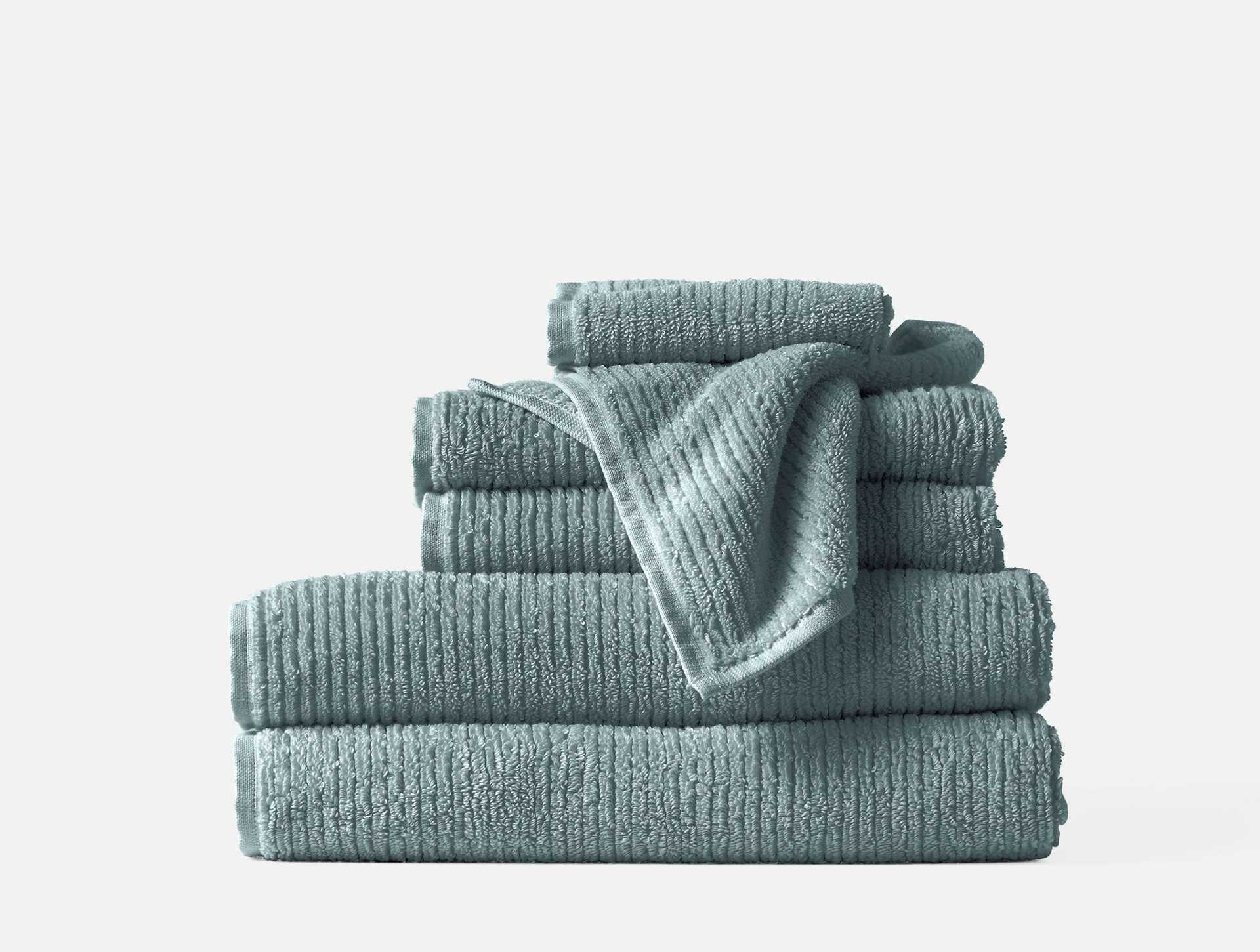
Not every cotton fabric aims for a smooth finish. Some bedding is washed or finished to encourage a softer, more relaxed hand. Other fabrics feature visible texture created by the weave itself. The result might be an informal, gently rumpled surface or a more pronounced pattern that brings depth to a simple color scheme.
Texture changes more than touch. In a quiet bedroom, a tonal weave can add dimension without introducing a new color. A soft crinkle or slub can make a bed feel less ceremonial and more lived in. By contrast, a smooth fabric tends to read as polished and spare. Layering different surfaces—matte sheets, a textured blanket, and a softly structured quilt—can give a room richness without making it busy.
These distinctions are especially useful when choosing bedding online, where the hand of the fabric cannot be tested in person. Read the construction and care details, look for words that describe the finish, and note whether the product is intended to feel crisp, smooth, relaxed, or textured. If possible, compare fabric swatches or see the material in person. A color viewed on a screen may vary; so can the visual impression of a weave under different lighting.
Weight, drape, and the feeling of a finished bed
Fabric weight influences how a sheet hangs and how substantial it feels, but heavier does not necessarily mean more luxurious. A light cloth can feel airy and effortless, while a denser one may provide a more enveloping sensation. The choice depends on climate, layering habits, and preference. If you like to sleep under a duvet year-round, a lighter sheet may make sense; if you prefer a bed with more body, a denser weave could feel more satisfying.
Drape is another quiet consideration. Sateen often falls more fluidly around the mattress, while percale can hold a cleaner, flatter line. A textured fabric may soften the room’s geometry. Together with color and styling, these qualities shape whether a bed feels crisp and tailored or relaxed and romantic. There is no requirement to match every layer. A composed bedroom can mix finishes, provided that the materials feel comfortable together and the palette has a point of view.
Fit matters just as much as surface. Check mattress depth and the dimensions of the fitted sheet, especially if the bed includes a topper. A beautifully made flat sheet will not compensate for a fitted corner that slips away in the night. When comparing sets, confirm what is included—such as the number and size of pillowcases—and whether the bedding is sold as a set or by the piece.
Organic cotton: what the label can and cannot tell you
Organic cotton is a meaningful material choice for many households, but the phrase should be read with care. Look for clear information about the fiber content and any third-party certification cited for the textile. A certification can set standards for particular stages of production, depending on the program and product. It does not automatically describe the fabric’s softness, durability, or suitability for a particular sleeper.
Similarly, “natural” is a broad word. It may refer to fiber origin, a particular manufacturing choice, or simply a brand’s aesthetic language. Specific details are more useful: what the fabric is made from, how it is woven, where certification applies, and how the maker recommends washing it. Transparency gives shoppers a better basis for comparison than a string of reassuring adjectives.
For a considered bedding purchase, weigh the full life of the item. A set that feels right and can be cared for consistently may serve better than one chosen only for an appealing claim. Longevity depends on construction and use, of course, but it also depends on practical habits: washing only when needed, following the label, and storing linens in a dry, well-ventilated place.
A simple way to compare Coyuchi bedding styles
When comparing Coyuchi bedding, begin with the fabric description and move outward to the details that affect daily life. The aim is not to decode every technical term before shopping. It is to connect a material’s likely character with your own preferences.
- For a crisp, matte finish: look for percale or another plain-weave description, and consider whether you enjoy a sheet that feels structured at first.
- For a smoother, more fluid surface: consider sateen and its characteristic softness and drape.
- For an easygoing look: seek descriptions such as washed, relaxed, or textured, while checking the care instructions for any special requirements.
- For warm-weather comfort: compare fabric weight and weave, then consider your room temperature and the other layers on the bed.
- For a coordinated room: think about how the sheen, texture, and color will work with quilts, blankets, and pillow covers you already own.
- For practical fit: verify mattress depth, dimensions, set contents, and whether the fitted sheet suits your mattress and any topper.
Descriptions can point you toward a likely feel, but they cannot replicate a hand test. If you are sensitive to texture, prefer a particular level of crispness, or share a bed with someone whose preferences differ, prioritize the qualities you notice most. A versatile neutral color may be easy to style, but comfort is the reason the fabric earns a place on the bed.
Cotton bedding care: gentle routines, longer life
Care begins with the product label. Cotton bedding may tolerate routine machine washing, but water temperature, cycle, detergent, drying instructions, and any finishing details can vary. Follow the manufacturer’s directions for the specific item rather than applying a single rule to every sheet. A conservative routine—washing with like colors, using a gentle cycle when recommended, and avoiding unnecessary heat—can help preserve color and fabric integrity.
Use an amount of detergent suited to the load and your machine. Too much can leave residue, while fabric softener may alter absorbency or surface feel in some textiles. If a care label advises against softener, take that instruction seriously. For cotton sheets, a thorough rinse and a well-sized load are often more useful than adding extra products in pursuit of softness.
Do not overcrowd the washer. Bedding needs room to move so that it can rinse properly and avoid excessive twisting. Washing sheets separately from items with hooks, zippers, or rough surfaces can reduce snags and abrasion. Fasten closures on duvet covers before laundering, and check pockets and corners for small items that might damage the fabric.
Drying deserves equal attention. High heat can place more stress on fibers and may contribute to shrinkage or a rougher hand over time. Where the label allows, use a lower setting and remove bedding promptly to reduce deep creasing. Line drying can be a gentle option when space and weather permit. If you like a smooth finish, folding or making the bed soon after drying can help; ironing should be guided by the care instructions.
Washing frequency, storage, and small repairs
How often to wash sheets depends on personal habits, climate, and household needs. A regular schedule keeps bedding fresh, but washing every item more frequently than necessary can add wear. Rotating between two or more sets lets each set rest between uses and makes it easier to maintain a clean bed without rushing laundry through an overly hot cycle.
Store clean linens only when they are fully dry. A cool, dry closet helps prevent mustiness, and breathable storage is generally preferable to sealing damp fabric into a container. Keep sets together by placing pillowcases inside a folded sheet set, or organize them by room and size. A simple system makes it easier to use every set rather than leaving one at the back of the shelf.
Address small snags or loose seams early, before they become larger tears. A careful repair can extend the useful life of a sheet or pillowcase and preserve a set that has softened into exactly the right feel. Natural fibers are not indestructible, but attentive use and prompt care can help bedding age gracefully rather than being replaced at the first sign of wear.
Build a bed around the feel you love
The most inviting beds are not necessarily the most elaborate. They are the ones that make sense for the person who sleeps in them. Start with sheets that suit your preferred surface, then add layers for warmth and visual depth. A crisp cotton foundation can pair beautifully with a textured blanket; a smooth sheet can balance a more tactile quilt. Keeping the color story restrained allows differences in weave and finish to do the work.
It can be useful to change the bed with the seasons without replacing everything. A lighter top layer, a different duvet cover, or a shift toward breathable sheets may make a room feel newly suited to warmer weather. In cooler months, additional layers can bring comfort while leaving the core bedding familiar. The advantage of thoughtful cotton bedding is its adaptability: it can be styled simply or layered with more expressive textures.
Ultimately, weave is a guide to sensation, not a verdict. Percale offers one kind of clarity; sateen another kind of softness. Texture can make the bed look relaxed, while a smooth finish lends polish. When choosing Coyuchi bedding, or any organic cotton bedding, let the language of the fabric help you narrow the field, then consider care, fit, and the everyday feel you want to wake up to.
The take-away
Cotton’s appeal lies in its range. Weave determines much of the surface character, finishing influences the hand, and care helps maintain the qualities that made a set appealing in the first place. Compare percale for a crisp, matte feel, sateen for smoothness and drape, and textured finishes for a more relaxed expression. Read material and certification details carefully, follow the care label, and choose according to your own comfort rather than a headline claim.
Good bedding is both tactile and practical: soft enough to welcome you in, resilient enough for ordinary life, and simple to care for once the morning light arrives.